
How to Choose the Perfect Area Rug for Every Room
Area rugs are one of the easiest ways to transform a home. The right rug adds warmth, defines living spaces, reduces noise, and completes the overall look of a room. Whether you're shopping for a living room rug, bedroom rug, hallway runner, or dining room rug, choosing the right size, material, and style will help you enjoy your rug for years to come.
In this guide, we'll cover everything you need to know before buying an area rug, including sizing, materials, colors, maintenance, and room-by-room recommendations.
How to Choose the Right Rug Size
Choosing the correct rug size is the most important part of purchasing an area rug. Even a beautiful rug can look out of place if the proportions are incorrect.
What Size Rug Do You Need for a Living Room?
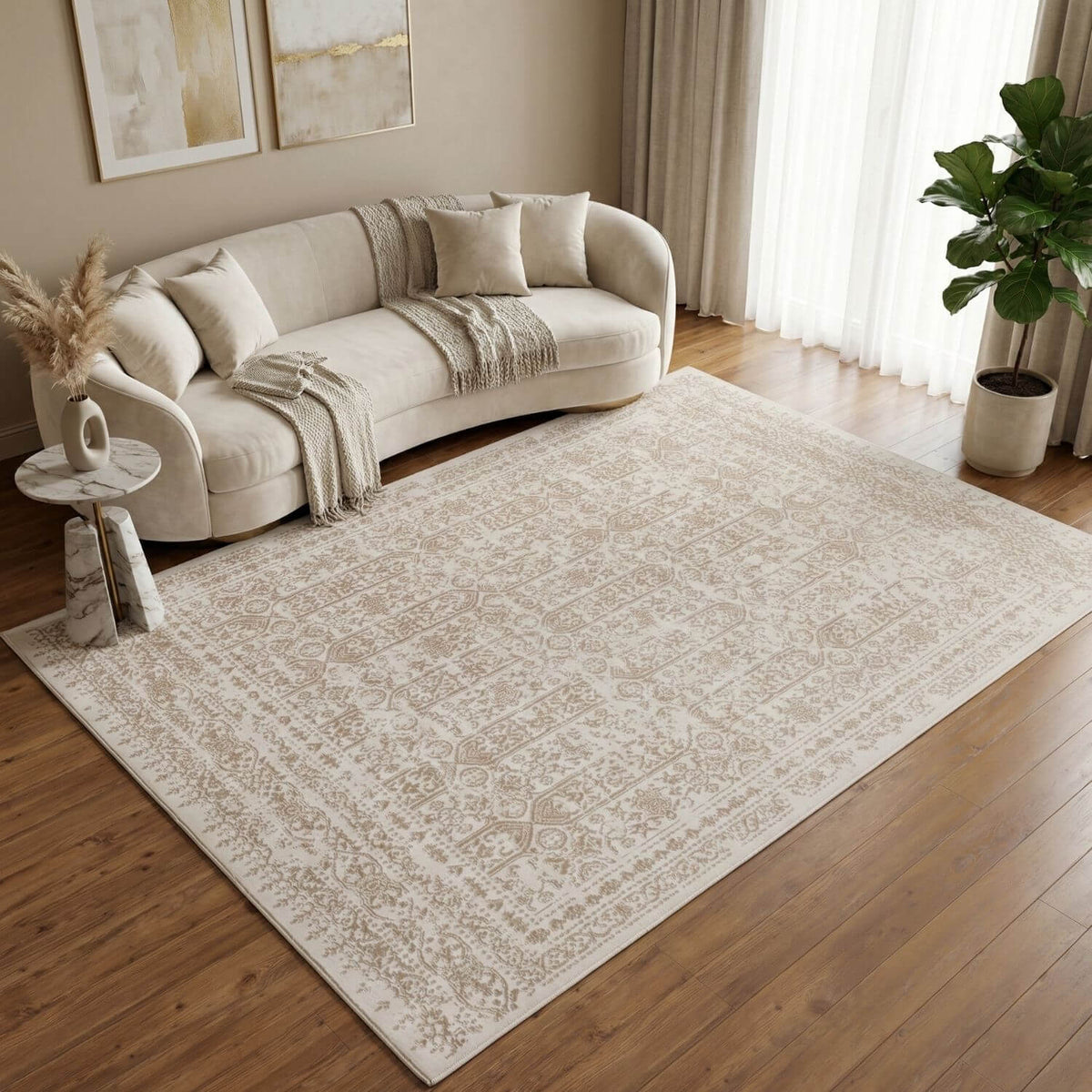
A living room rug should anchor your seating area rather than simply filling empty floor space. Ideally, all four legs of your sofas and chairs should rest on the rug. If that isn't possible, placing at least the front legs of each piece of furniture on the rug still creates a balanced and cohesive layout.
A properly sized rug makes the room appear larger and ties all of the furniture together.
What Size Rug Do You Need for a Dining Room?
A dining room rug should extend 24–30 inches (60–75 cm) beyond every side of the dining table. This allows chairs to remain on the rug even when guests pull them out, preventing uneven movement and protecting your flooring.
What Size Rug Do You Need for a Bedroom?
Bedroom rugs should extend at least 18 inches (45 cm) beyond both sides and the foot of the bed. This creates a soft surface underfoot every morning while giving the bedroom a more luxurious appearance.
Larger bedrooms can benefit from oversized rugs that frame the entire sleeping area.
What Size Runner Do You Need for a Hallway?
Runner rugs should complement the hallway without touching the walls. Leave several inches of visible flooring on each side to create a clean, symmetrical look while protecting high-traffic areas.
Choosing the Best Rug Material
The ideal rug material depends on where the rug will be used and how much daily foot traffic it receives.
Are Wool Rugs a Good Choice?
Wool rugs are among the most popular choices because they are naturally durable, soft, and stain-resistant. They work exceptionally well in living rooms, bedrooms, and family spaces where comfort and longevity matter.
Are Cotton Rugs a Good Choice?
Cotton rugs are lightweight, breathable, and easy to maintain. They're perfect for casual interiors, layering with larger rugs, or rooms that require frequent cleaning.
Are Synthetic Rugs a Good Choice?
Synthetic materials such as polypropylene and nylon are affordable, fade-resistant, and highly durable. They're an excellent option for entryways, busy households, children's rooms, and outdoor spaces.
Are Hand-Knotted Wool and Silk Rugs Worth It?
Hand-knotted rugs represent the highest level of craftsmanship. Made to last for generations, these rugs combine exceptional durability with timeless beauty. They make outstanding statement pieces in living rooms, dining rooms, and other spaces where long-term quality is appreciated.
Choosing the Right Rug for Every Room
Different rooms have different requirements, so selecting the right type of rug can significantly improve both comfort and functionality.
Living Room
Choose durable materials that can withstand everyday use while maintaining their appearance over time.
Bedroom
Prioritize softness and comfort. Wool and other plush materials create a warm, relaxing atmosphere.
Kitchen & Entryway
Flat-weave rugs or washable rugs are ideal because they handle spills, dirt, and frequent cleaning with ease.
Hallways
Long runner rugs protect flooring in busy areas while adding warmth and visual interest throughout the home.
Choosing the Right Rug Color and Pattern
The color and pattern of your rug influence the overall feeling of a room.
- Light-colored rugs help smaller rooms appear brighter and more spacious.
- Dark-colored rugs naturally conceal everyday dirt and signs of wear.
- Patterned rugs are ideal for busy households because they disguise minor stains and heavy foot traffic.
- Vintage and distressed rugs complement both modern and traditional interiors while adding warmth and character.
Choosing colors that coordinate with your furniture and flooring creates a balanced, timeless design.
Why Every Rug Needs a Rug Pad
A quality rug pad is one of the best investments you can make.
A rug pad:
- Prevents slipping
- Adds cushioning
- Protects hardwood and tile floors
- Extends the life of your rug
- Reduces friction and wear
For the best fit, always choose a rug pad that is slightly smaller than the rug itself.
How to Care for Your Area Rug
Proper maintenance helps preserve your rug's beauty for many years.
- Vacuum regularly, especially in high-traffic areas.
- Avoid using the beater bar on delicate hand-knotted rugs.
- Rotate your rug every 6–12 months to promote even wear and fading.
- Blot spills immediately using a clean cloth instead of rubbing them into the fibers.
- Schedule professional rug cleaning every 12–18 months, particularly for wool and hand-knotted rugs.
With regular care, a quality rug can remain beautiful for decades.
Final Thoughts
Choosing the best area rug isn't simply about finding a design you like. The right rug balances size, material, durability, comfort, and style to fit the way you live.
Measure your space carefully, think about daily foot traffic, and invest in a rug that suits both your home and your lifestyle.
A well-made rug is more than a decorative accessory—it's a long-term investment that brings warmth, comfort, and personality to every room.
Explore Our Collection
Looking for a rug that combines timeless craftsmanship with lasting quality?
Browse our collection of vintage, handmade, and hand-knotted Turkish rugs to find the perfect piece for your home.


